A small manufacturer loses the shift when the grid drops, and pays for the diesel that covers it.
A comprehensive backup solution for critical industrial loads, integrated with a solar PV system to reduce energy bills as well as cover outages.
Critical industrial load, integrated with solar PV
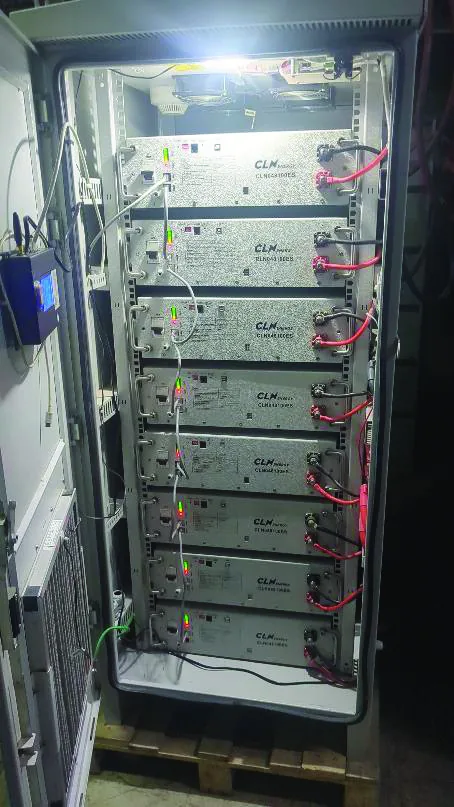
The critical industrial load runs for three and a half hours on 19.2 kWh, and the solar array reduces the bill on every day the grid behaves.
For a business this size that second part is what makes the system pay rather than merely work. A backup-only installation is capital that earns nothing until something goes wrong. Sizing to the critical load rather than the connected load is the other half — it is what keeps the system proportionate to a small manufacturer's budget instead of to its main breaker.
For a small factory the question is never only backup. A system bought to cover outages sits idle the rest of the year, so pairing it with solar changes what it is worth: it reduces the bill on ordinary days and holds the line on bad ones. Sizing to the critical load rather than the connected load is what keeps it affordable.
The products used here
If you are planning something similar
It depends on the load that has to stay on and for how long. Sizing to the critical load rather than to the whole connected load is what keeps the system proportionate to a small factory, and pairing it with solar is what makes it earn on ordinary days instead of only during an outage.
Solar reduces what is bought from the grid during the day, and storage moves that energy to the hours when the site needs it or the tariff is higher. How much it saves depends on the tariff, the load pattern and the size of the array, so it is worked out for the site rather than quoted as a percentage.
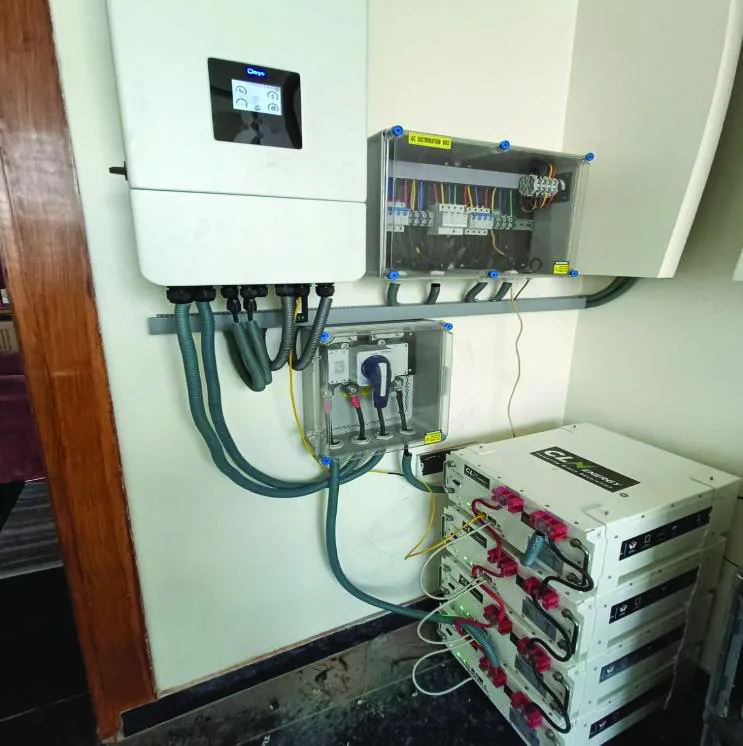
An inverter that can draw from solar, the grid and a battery, and switch between them without an interruption the equipment would notice. It is what allows one system to provide backup and daily savings at the same time.
Tell us your load and the backup you need, and our team will size it.
Talk to our team
 Become a
Partner
Become a
Partner