Automatic block signalling cannot pause for a power cut. A backup system that degrades quietly between inspections is worse than none, because nobody finds out until the grid drops.
A comprehensive backup solution for critical Southern Railway loads.
Automatic block signalling — uninterrupted operation during power outages
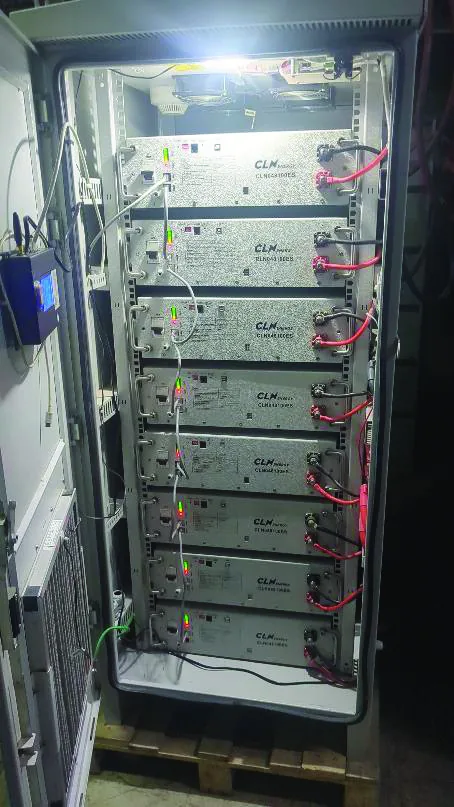
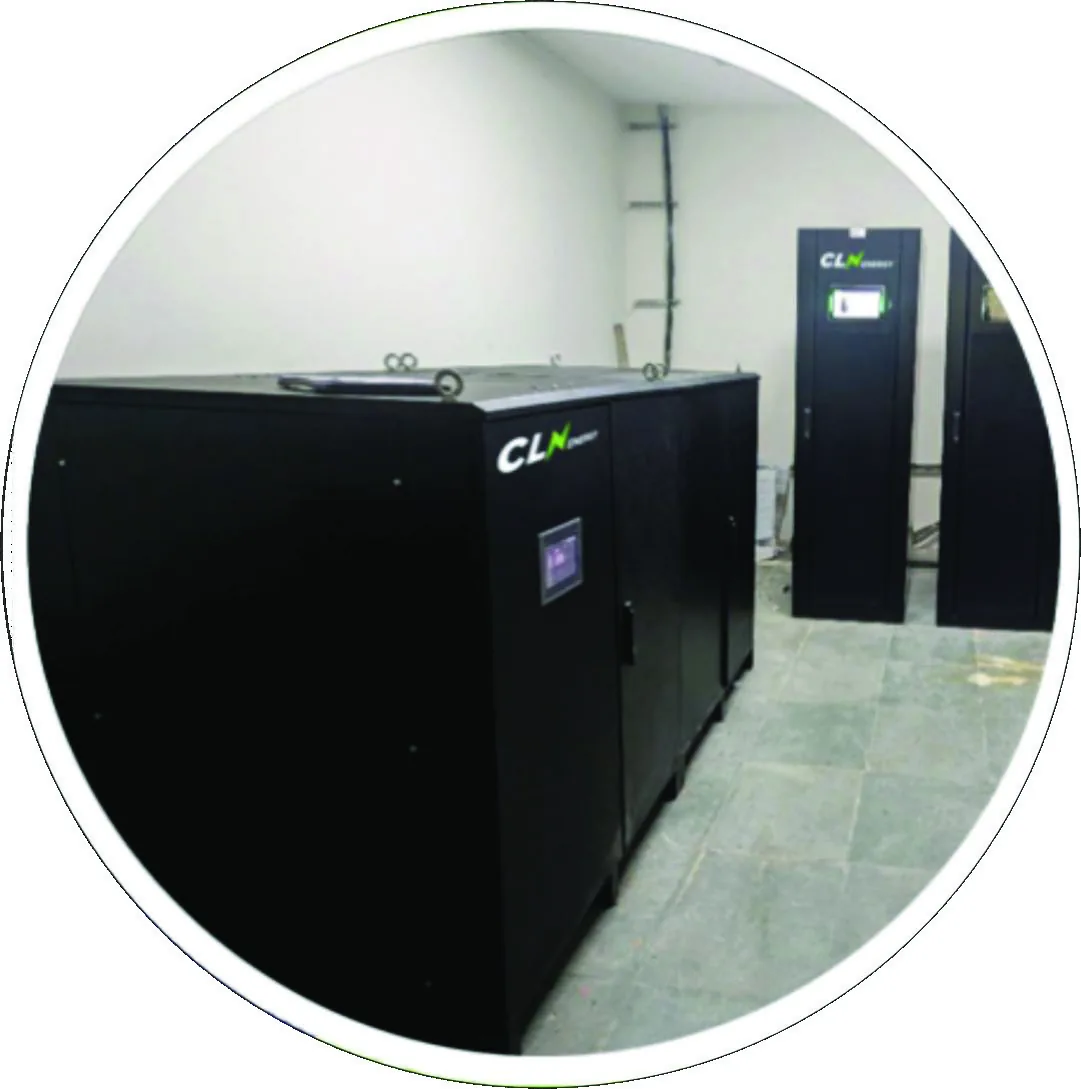
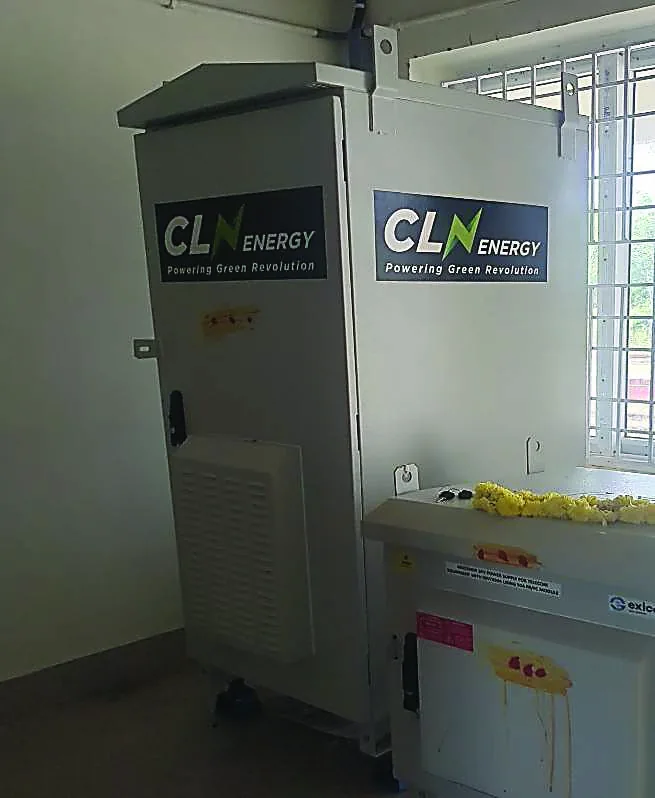
Southern Railway's automatic block signalling at this location holds through a seven-hour outage on a 2 kWh draw, against a grid interruption that rarely runs that long.
The more useful outcome is that the system's condition is now known rather than assumed. The BMS reports state of charge and cell health continuously, so the question an inspection used to answer badly — is this bank still capable of carrying the load — is answered on a screen, before it is tested by a power cut.
Signalling is a small load that must never stop. The battery is not there to run a building, it is there to hold a control system through an outage long enough for the supply to return or for staff to reach the site. That is why the useful figure on this installation is the seven hours, not the kilowatt hours.
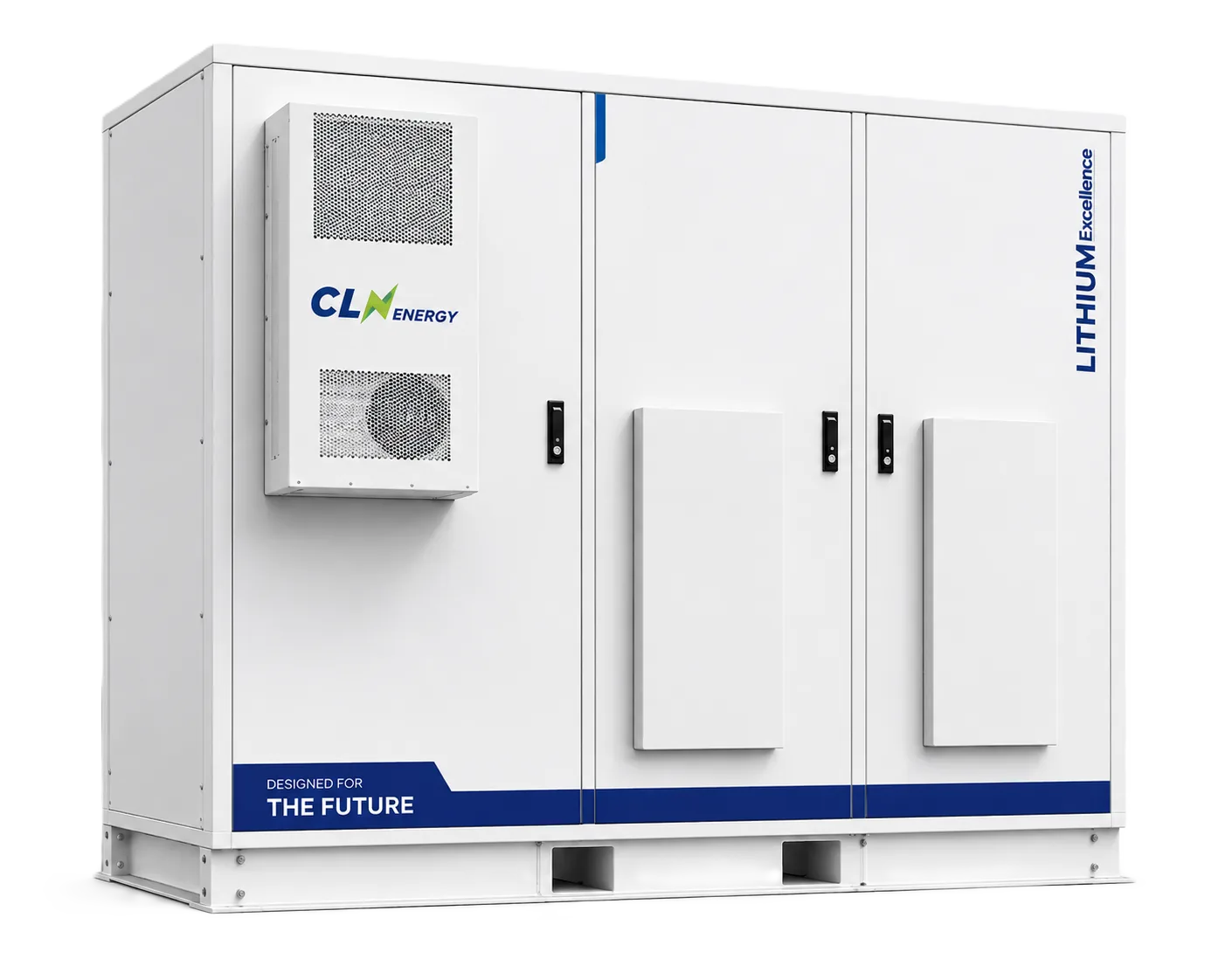
The products used here
If you are planning something similar
Long enough to cover the outages that location actually sees, with margin. Signalling is a small load that must not stop, so the useful figure is the hours of autonomy rather than the size of the battery.
From the load in kilowatts, the hours of autonomy required, the depth of discharge the battery is rated for, and how much capacity you want it to still hold at the end of its rated life. The last two are what separate a battery that lasts from one that is replaced early.
Yes, where the power plant supports a lithium charging profile. The battery management system and the rectifier have to agree on charge voltage and current limits, which is settled at commissioning.
Tell us your load and the backup you need, and our team will size it.
Talk to our team
 Become a
Partner
Become a
Partner