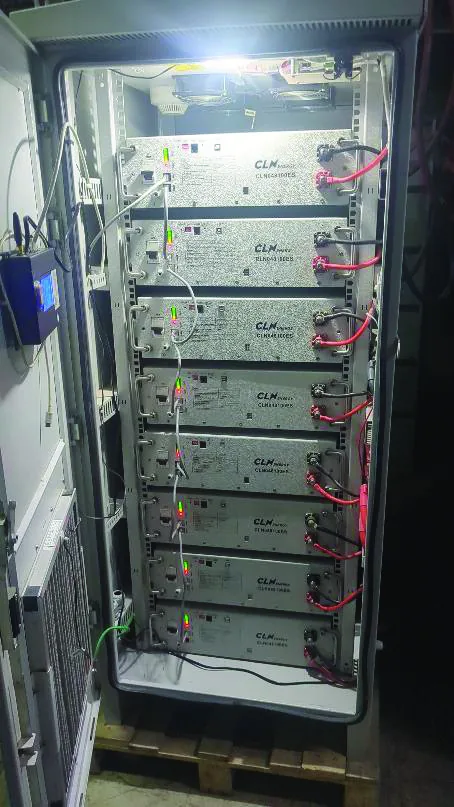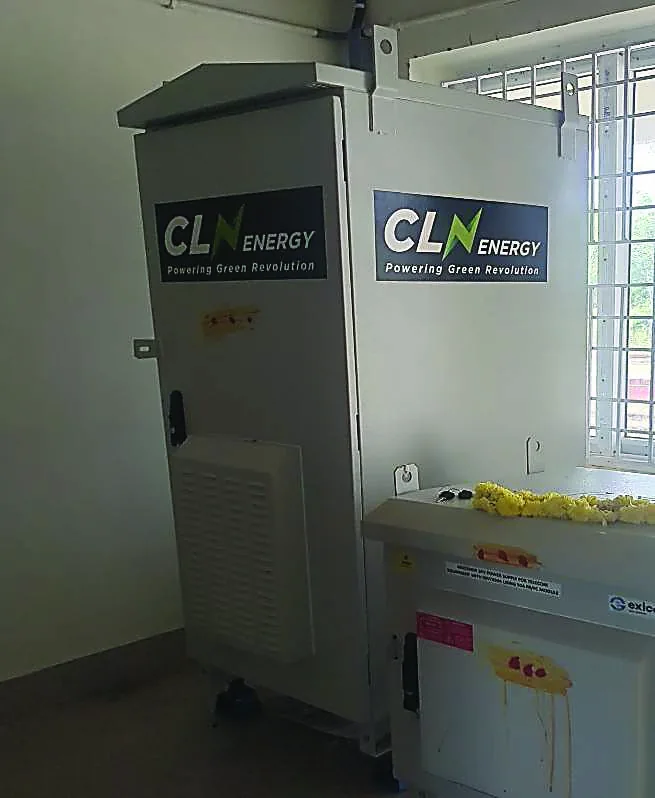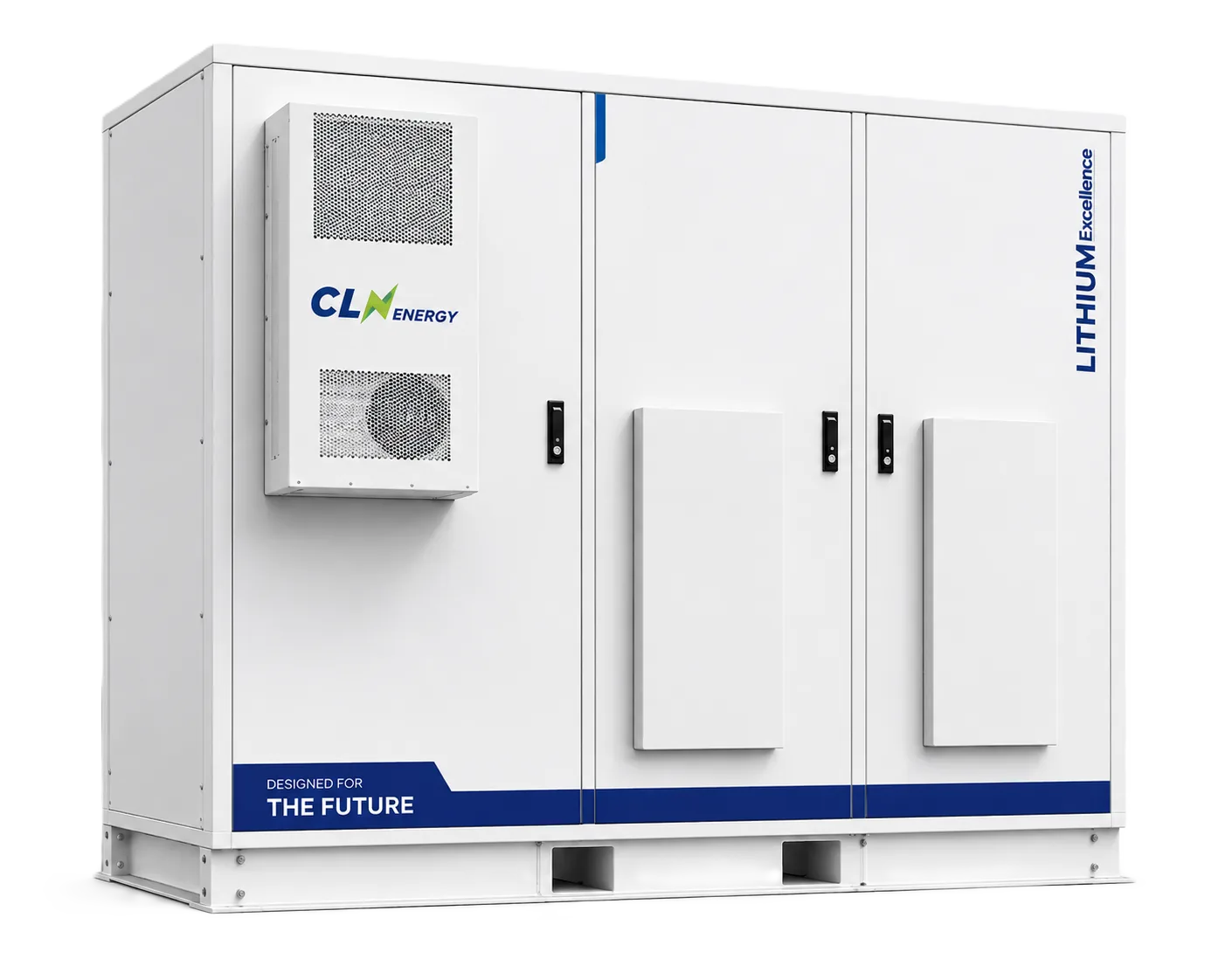
A command control centre carries loads that cannot be interrupted, and a data centre UPS has to hold voltage through the gap between a grid failure and a generator reaching load.
A comprehensive backup solution for critical data centre loads.
Critical data centre infrastructure — uninterrupted operation during power outages
The command control centre carries 180 kWh of backup behind a 100 kW UPS, and the changeover was completed inside a two-hour window with the centre never off supply.
At that capacity the bank covers far more than the seconds a generator handover needs, so a generator that fails to start becomes an inconvenience rather than an outage. And because the BMS reports real capacity rather than float voltage, the bank's ability to do that is a known quantity between services rather than an assumption.
A data centre battery is sized in minutes rather than hours, because its job is to hold the load until the generator starts or the work is moved. What matters is the discharge rate: the battery has to deliver the full UPS load immediately, not the average load over an hour.
The products used here
If you are planning something similar
It depends on the minutes of autonomy required and on the discharge rate the battery can hold. Most data centres size for a generator changeover; sites without a generator size for far longer, which changes the battery rather than the UPS.
Yes, and it is the usual reason sites move: the same autonomy in less floor space, with monitoring that reports the state of every module. The DC bus voltage of the UPS decides the string, and the discharge rate decides the module, which is why the rated current matters as much as the capacity.
A UPS battery holds a critical load for minutes during a changeover. A battery energy storage system is sized to run a site for hours and to shift energy from one part of the day to another. The cells can be the same; the sizing and the control are not.
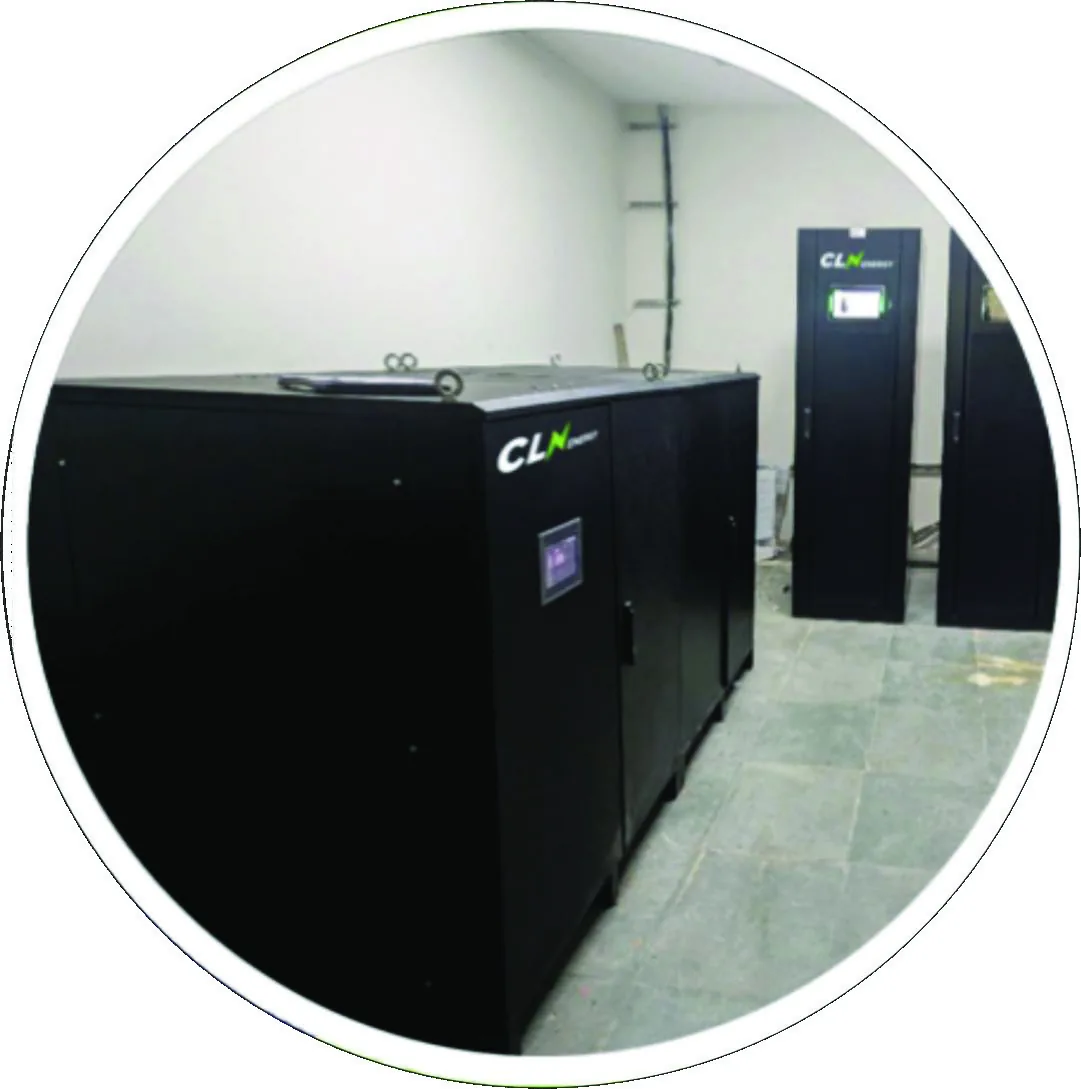
Tell us your load and the backup you need, and our team will size it.
Talk to our team
 Become a
Partner
Become a
Partner