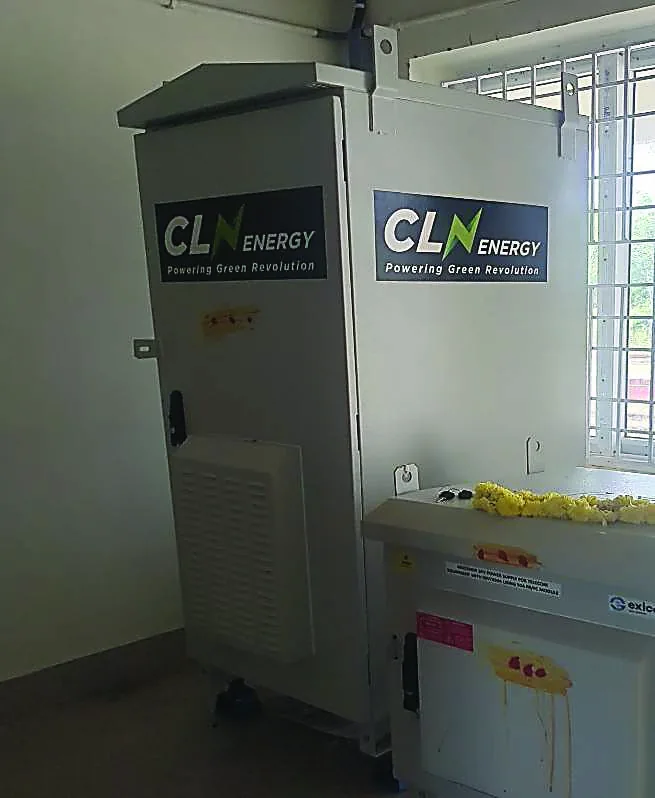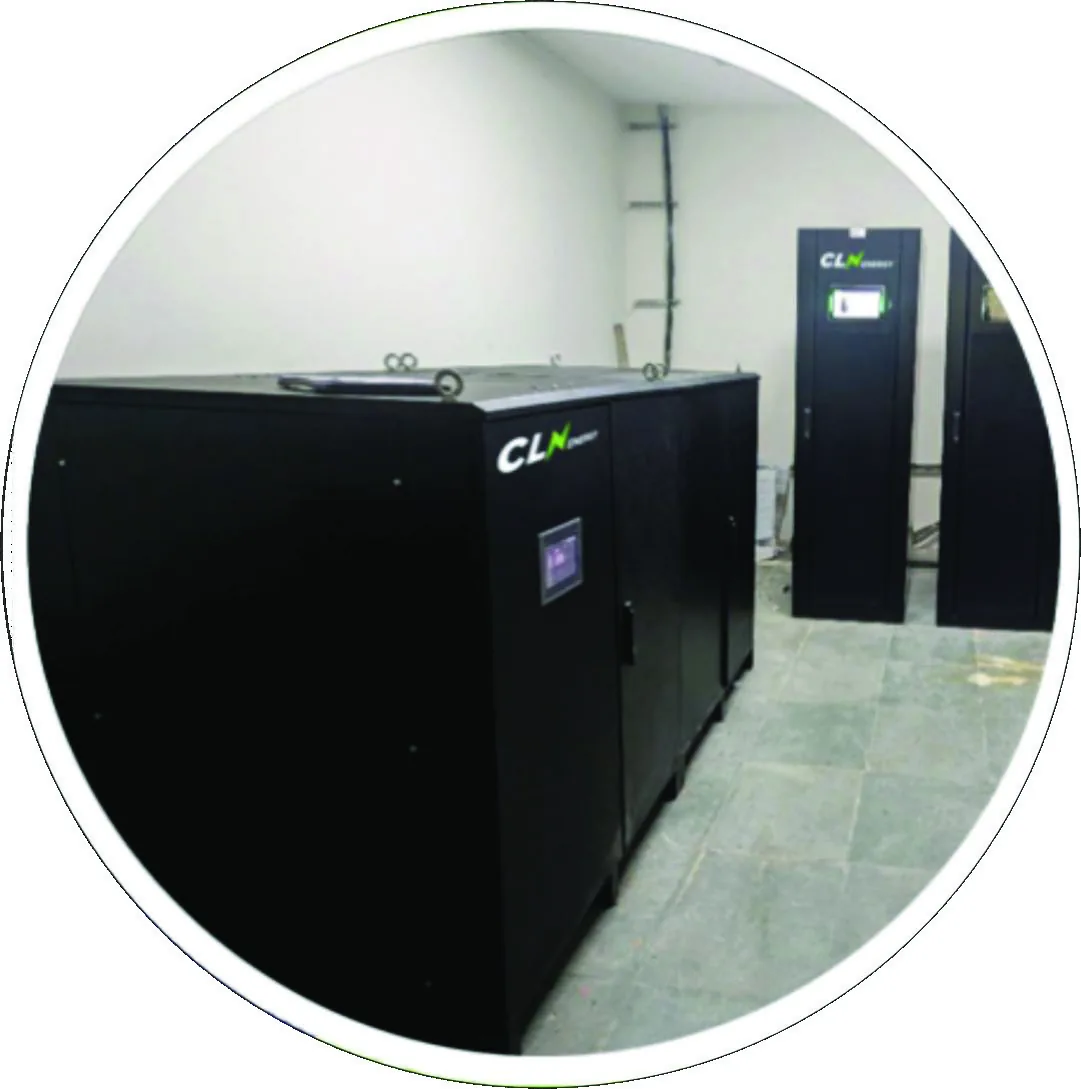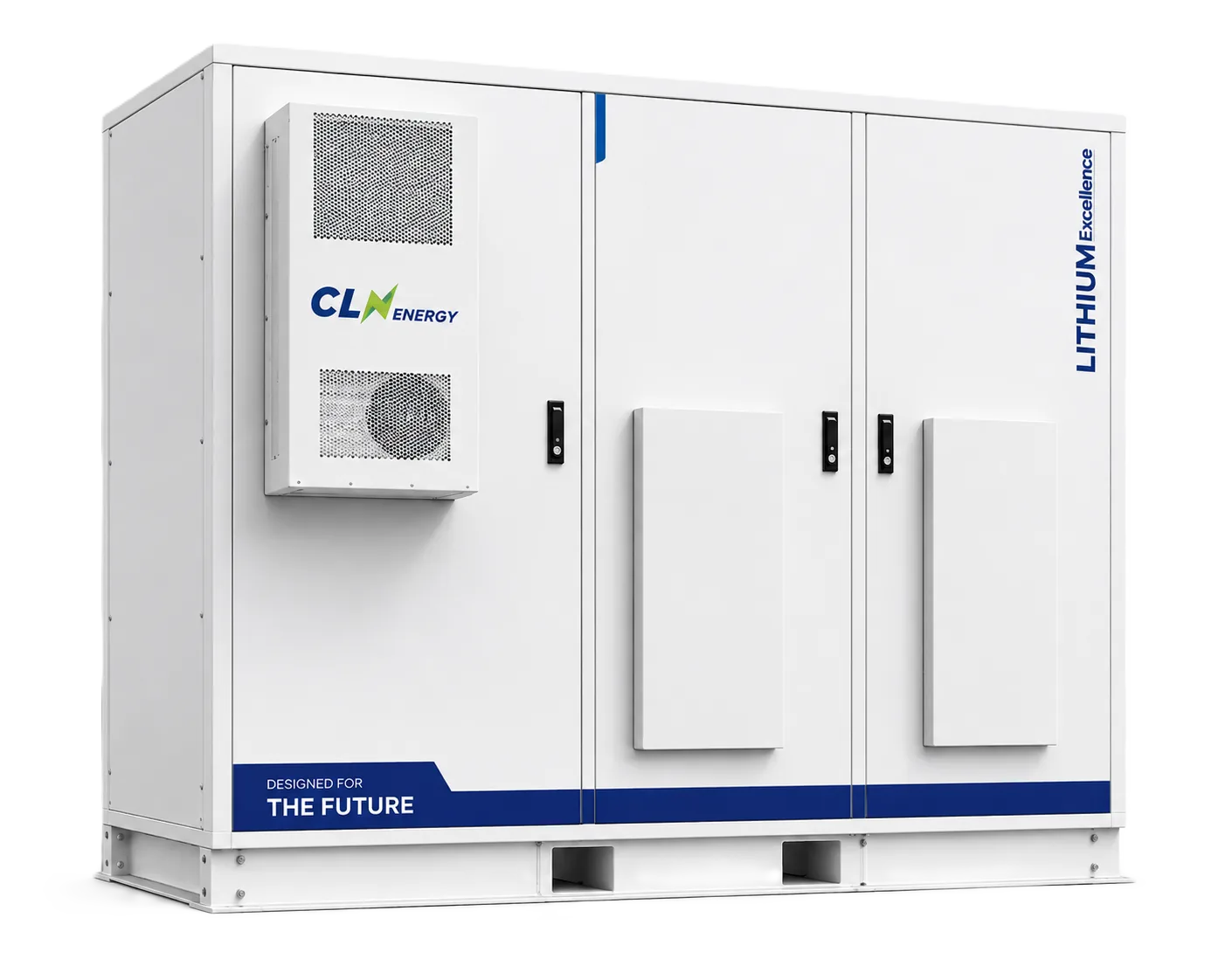
Telecom sites run on unreliable grid power and sit in unconditioned shelters, which is the hardest duty a lead-acid string can be given. Replacement cycles were short and each failure meant sending a crew to a site nobody visits often.
Lead-acid battery replacement with lithium-ion across BSNL's locations.
NOC, Data Center, Telecom Towers
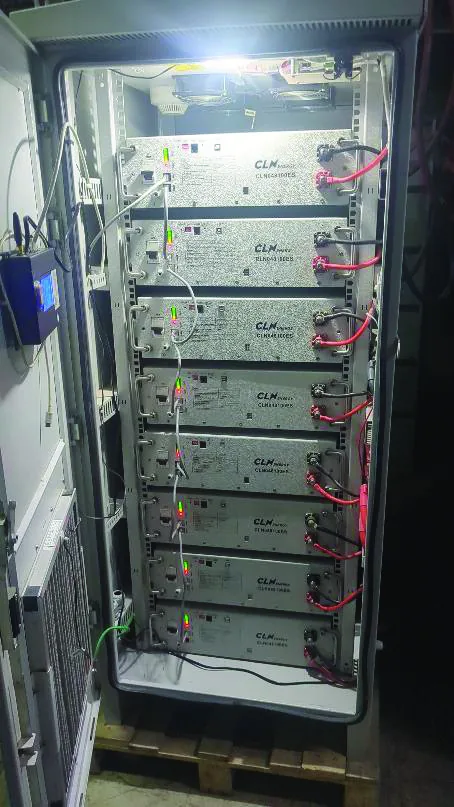
22,864 packs are in service across the network, each reporting its own state of charge, temperature and health back to a dashboard.
The change that matters is not the battery, it is what maintenance became. A site is now visited because its data says it needs attention, rather than on a schedule or after it has already gone down. On a network this size that is the difference between a fleet of crews responding to failures and a much smaller one preventing them. The five-year warranty and the five-year AMC that follows it put a fixed number against ten years of that, which is the part a network operator can actually plan around.
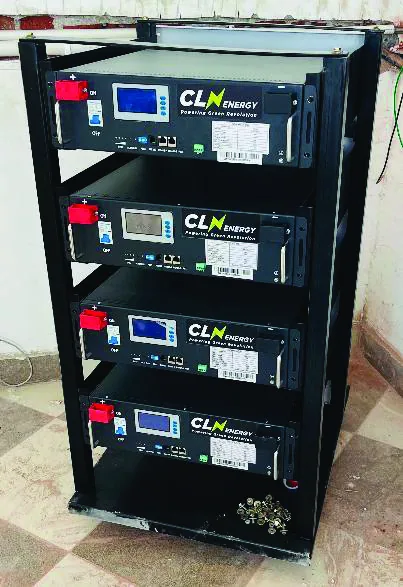
A telecom site is the plainest case for lithium there is. The battery sits in a shelter that gets hot, it is cycled every time the grid fails, and nobody visits it unless something has gone wrong. That is the duty that wears a lead-acid bank out early, and it is the duty a 48V lithium bank with its own management system is built for.
The products used here
If you are planning something similar
A 48V battery bank sized for the rectifier and the site load. Lead-acid was the standard for years and is being replaced with 48V lithium iron phosphate, which tolerates shelter temperatures and partial charging better. Our telecom range is listed with its specifications on the telecom battery page.
Yes. A rollout is supplied against the tender specification, with the same module built repeatedly rather than a different configuration at each site, and the management system reporting each bank so faults are found before a site fails.
Yes, where the rectifier supports a lithium charging profile and the site has room for the new bank. The replacement is planned around the existing DC bus voltage, the autonomy the site needs and the rectifier settings.
Tell us your load and the backup you need, and our team will size it.
Talk to our team
 Become a
Partner
Become a
Partner