

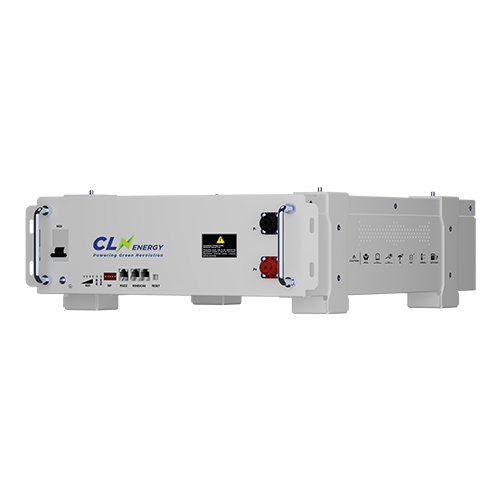
CLN Energy's Standalone Battery Energy Storage System embodies our commitment to reliable, high-performance, and sustainable energy solutions. Powered by advanced lithium-ion technology, it offers scalable energy storage designed to meet the demands of commercial and industrial applications. Built for long-term durability and seamless integration. It enhances energy security, reduces dependency on traditional power grids, and supports the global shift toward cleaner, smarter energy infrastructure.

Safe and Long-lasting

Remote Monitoring

Advanced Communication

Built-in Battery Protections

Plug-and-Play Design

Wide Temperature Range

Certified Quality

Eco-Friendly Chemistry
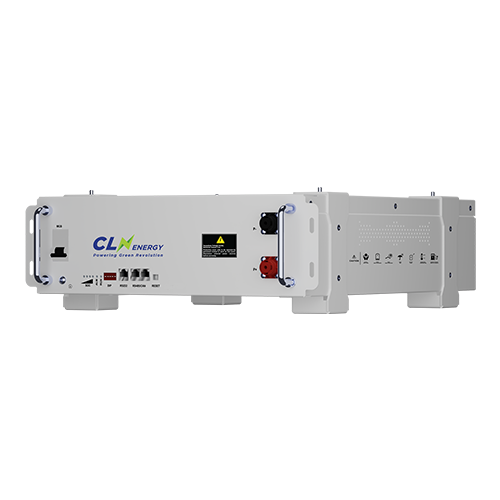
CLN Energy's Standalone Battery Energy Storage System embodies our commitment to reliable, high-performance, and sustainable energy solutions. Powered by advanced lithium-ion technology, it offers scalable energy storage designed to meet the demands of commercial and industrial applications. Built for long-term durability and seamless integration. It enhances energy security, reduces dependency on traditional power grids, and supports the global shift toward cleaner, smarter energy infrastructure.

Safe and Long-lasting

Remote Monitoring

Advanced Communication

Built-in Battery Protections

Plug-and-Play Design

Wide Temperature Range

Certified Quality

Eco-Friendly Chemistry
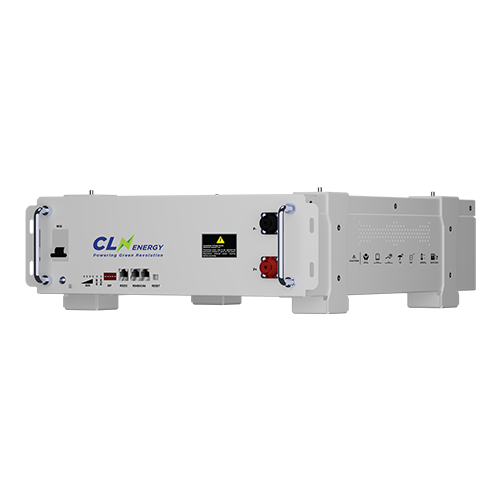
CLN Energy's Standalone Battery Energy Storage System embodies our commitment to reliable, high-performance, and sustainable energy solutions. Powered by advanced lithium-ion technology, it offers scalable energy storage designed to meet the demands of commercial and industrial applications. Built for long-term durability and seamless integration. It enhances energy security, reduces dependency on traditional power grids, and supports the global shift toward cleaner, smarter energy infrastructure.

Safe and Long-lasting

Remote Monitoring

Advanced Communication

Built-in Battery Protections

Plug-and-Play Design

Wide Temperature Range

Certified Quality

Eco-Friendly Chemistry
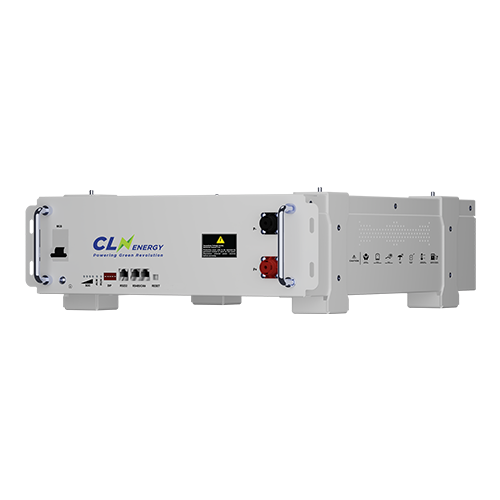
CLN Energy's Standalone Battery Energy Storage System embodies our commitment to reliable, high-performance, and sustainable energy solutions. Powered by advanced lithium-ion technology, it offers scalable energy storage designed to meet the demands of commercial and industrial applications. Built for long-term durability and seamless integration. It enhances energy security, reduces dependency on traditional power grids, and supports the global shift toward cleaner, smarter energy infrastructure.

Safe and Long-lasting

Remote Monitoring

Advanced Communication

Built-in Battery Protections

Plug-and-Play Design

Wide Temperature Range

Certified Quality

Eco-Friendly Chemistry
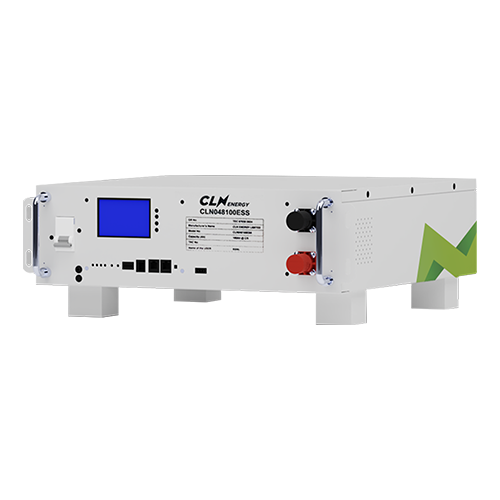
CLN Energy’s is Low Voltage Stackable Battery Energy Storage System is a modular lithium-ion solution designed for C&I backup and solar integration. Supporting up to 4 modules (19.2 kWh), it comes equipped with an integrated Energy Management System (EMS) and optional off-grid inverter compatibility. With multiple operating modes, smart app-based remote monitoring, and advanced safety protections, it ensures seamless performance. Engineered for effortless installation, long-term reliability, and zero maintenance.

Modular and Scalable

Safe and Long-lasting

Smart Energy Management

Remote Monitoring

Advanced Communication

Built-in Battery Protections

Plug-and-Play Design

Wide Temperature Range

Certified Quality

Eco-Friendly Chemistry
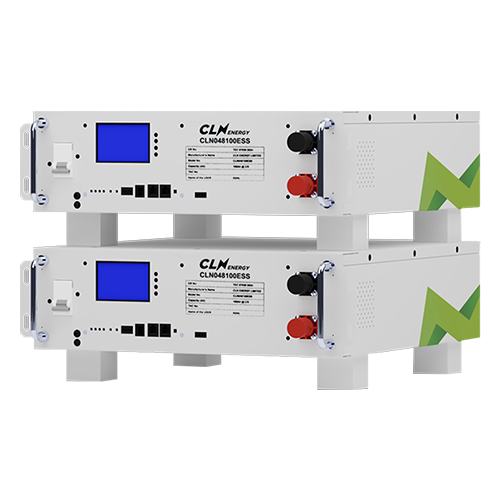
CLN Energy’s is Low Voltage Stackable Battery Energy Storage System is a modular lithium-ion solution designed for C&I backup and solar integration. Supporting up to 4 modules (19.2 kWh), it comes equipped with an integrated Energy Management System (EMS) and optional off-grid inverter compatibility. With multiple operating modes, smart app-based remote monitoring, and advanced safety protections, it ensures seamless performance. Engineered for effortless installation, long-term reliability, and zero maintenance.

Modular and Scalable

Safe and Long-lasting

Smart Energy Management

Remote Monitoring

Advanced Communication

Built-in Battery Protections

Plug-and-Play Design

Wide Temperature Range

Certified Quality

Eco-Friendly Chemistry
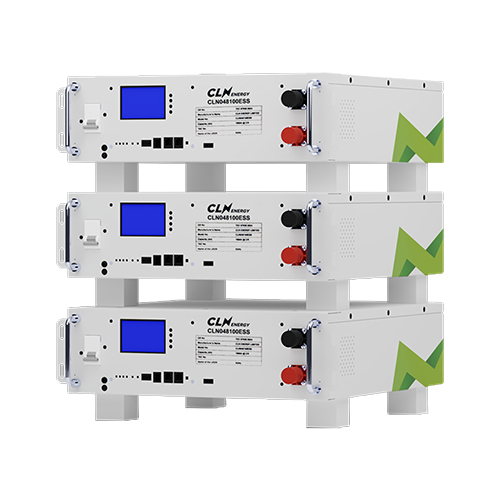
CLN Energy’s is Low Voltage Stackable Battery Energy Storage System is a modular lithium-ion solution designed for C&I backup and solar integration. Supporting up to 4 modules (19.2 kWh), it comes equipped with an integrated Energy Management System (EMS) and optional off-grid inverter compatibility. With multiple operating modes, smart app-based remote monitoring, and advanced safety protections, it ensures seamless performance. Engineered for effortless installation, long-term reliability, and zero maintenance.

Modular and Scalable

Safe and Long-lasting

Smart Energy Management

Remote Monitoring

Advanced Communication

Built-in Battery Protections

Plug-and-Play Design

Wide Temperature Range

Certified Quality

Eco-Friendly Chemistry
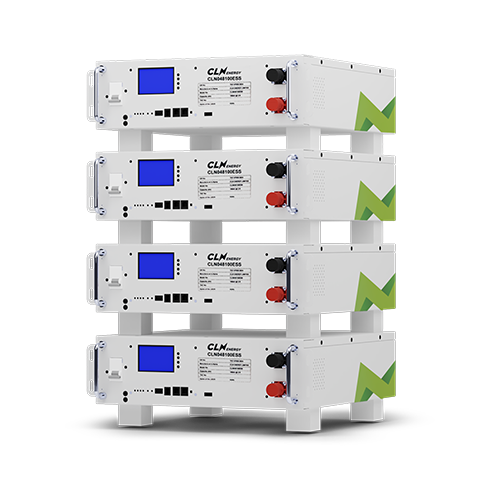
CLN Energy’s is Low Voltage Stackable Battery Energy Storage System is a modular lithium-ion solution designed for C&I backup and solar integration. Supporting up to 4 modules (19.2 kWh), it comes equipped with an integrated Energy Management System (EMS) and optional off-grid inverter compatibility. With multiple operating modes, smart app-based remote monitoring, and advanced safety protections, it ensures seamless performance. Engineered for effortless installation, long-term reliability, and zero maintenance.

Modular and Scalable

Safe and Long-lasting

Smart Energy Management

Remote Monitoring

Advanced Communication

Built-in Battery Protections

Plug-and-Play Design

Wide Temperature Range

Certified Quality

Eco-Friendly Chemistry
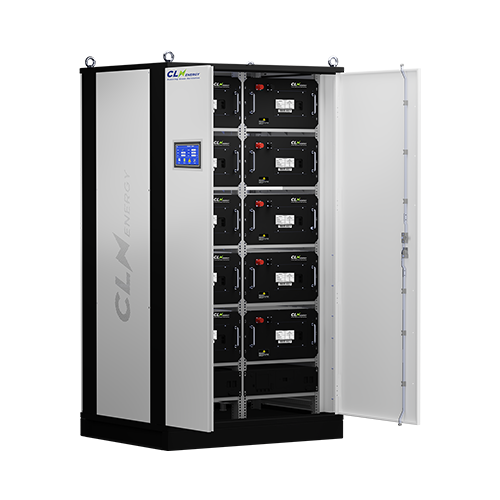
CLN Energy’s Rack Mounted High Voltage Energy Storage System is engineered for high-performance, scalable, and reliable energy storage in commercial and industrial environments. Available in IP20 and IP55 protection ratings, it supports both indoor and semi-outdoor installations with ease. This vertically compact, rack-mounted solution offers large-capacity storage, robust backup during power outages, and seamless integration into energy management systems. Equipped with an advanced BMS featuring automatic protection, cell balancing, and master-slave functionality, it ensures operational safety and system longevity.

Modular and Scalable

Advanced BMS

Long Lifespan

Customizable

Thermal Management

Wide Scalability

Reliable Warranty

Non-toxic and cobalt-free LFP
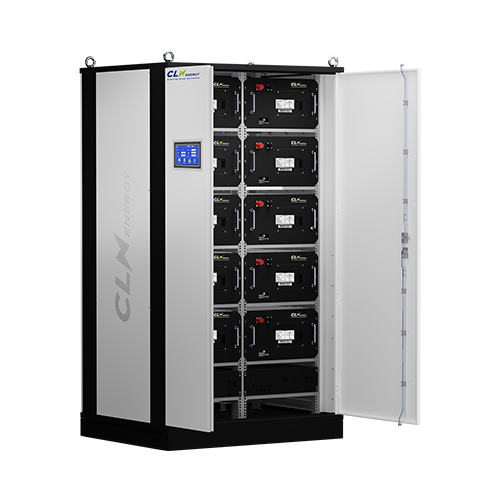
CLN Energy’s Rack Mounted High Voltage Energy Storage System is engineered for high-performance, scalable, and reliable energy storage in commercial and industrial environments. Available in IP20 and IP55 protection ratings, it supports both indoor and semi-outdoor installations with ease. This vertically compact, rack-mounted solution offers large-capacity storage, robust backup during power outages, and seamless integration into energy management systems. Equipped with an advanced BMS featuring automatic protection, cell balancing, and master-slave functionality, it ensures operational safety and system longevity.

Modular and Scalable

Advanced BMS

Long Lifespan

Customizable

Thermal Management

Wide Scalability

Reliable Warranty

Non-toxic and cobalt-free LFP
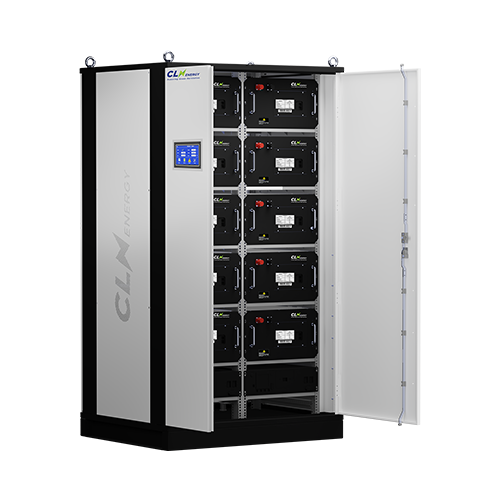
CLN Energy’s Rack Mounted High Voltage Energy Storage System is engineered for high-performance, scalable, and reliable energy storage in commercial and industrial environments. Available in IP20 and IP55 protection ratings, it supports both indoor and semi-outdoor installations with ease. This vertically compact, rack-mounted solution offers large-capacity storage, robust backup during power outages, and seamless integration into energy management systems. Equipped with an advanced BMS featuring automatic protection, cell balancing, and master-slave functionality, it ensures operational safety and system longevity.

Modular and Scalable

Advanced BMS

Long Lifespan

Customizable

Thermal Management

Wide Scalability

Reliable Warranty

Non-toxic and cobalt-free LFP
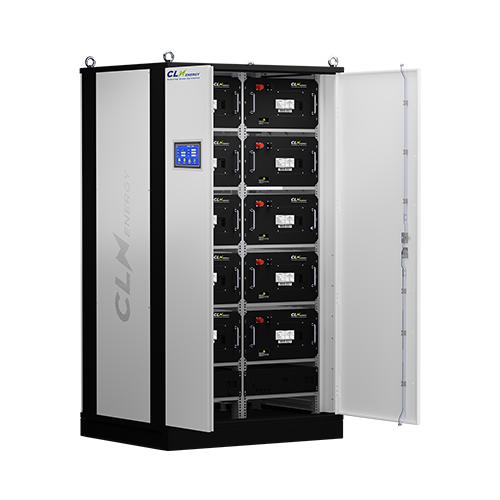
CLN Energy’s Rack Mounted High Voltage Energy Storage System is engineered for high-performance, scalable, and reliable energy storage in commercial and industrial environments. Available in IP20 and IP55 protection ratings, it supports both indoor and semi-outdoor installations with ease. This vertically compact, rack-mounted solution offers large-capacity storage, robust backup during power outages, and seamless integration into energy management systems. Equipped with an advanced BMS featuring automatic protection, cell balancing, and master-slave functionality, it ensures operational safety and system longevity.

Modular and Scalable

Advanced BMS

Long Lifespan

Customizable

Thermal Management

Wide Scalability

Reliable Warranty

Non-toxic and cobalt-free LFP
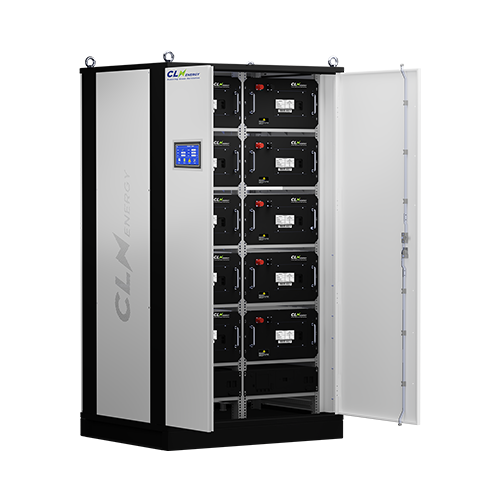
CLN Energy’s Rack Mounted High Voltage Energy Storage System is engineered for high-performance, scalable, and reliable energy storage in commercial and industrial environments. Available in IP20 and IP55 protection ratings, it supports both indoor and semi-outdoor installations with ease. This vertically compact, rack-mounted solution offers large-capacity storage, robust backup during power outages, and seamless integration into energy management systems. Equipped with an advanced BMS featuring automatic protection, cell balancing, and master-slave functionality, it ensures operational safety and system longevity.

Modular and Scalable

Advanced BMS

Long Lifespan

Customizable

Thermal Management

Wide Scalability

Reliable Warranty

Non-toxic and cobalt-free LFP
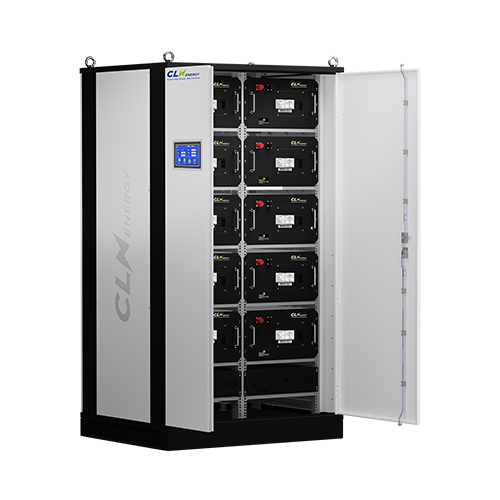
CLN Energy’s Rack Mounted High Voltage Energy Storage System is engineered for high-performance, scalable, and reliable energy storage in commercial and industrial environments. Available in IP20 and IP55 protection ratings, it supports both indoor and semi-outdoor installations with ease. This vertically compact, rack-mounted solution offers large-capacity storage, robust backup during power outages, and seamless integration into energy management systems. Equipped with an advanced BMS featuring automatic protection, cell balancing, and master-slave functionality, it ensures operational safety and system longevity.

Modular and Scalable

Advanced BMS

Long Lifespan

Customizable

Thermal Management

Wide Scalability

Reliable Warranty

Non-toxic and cobalt-free LFP
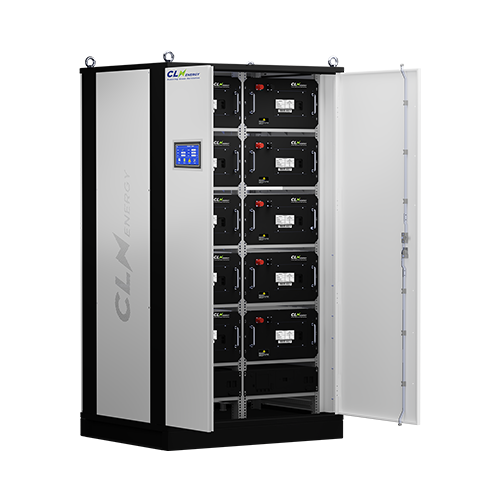
CLN Energy’s Rack Mounted High Voltage Energy Storage System is engineered for high-performance, scalable, and reliable energy storage in commercial and industrial environments. Available in IP20 and IP55 protection ratings, it supports both indoor and semi-outdoor installations with ease. This vertically compact, rack-mounted solution offers large-capacity storage, robust backup during power outages, and seamless integration into energy management systems. Equipped with an advanced BMS featuring automatic protection, cell balancing, and master-slave functionality, it ensures operational safety and system longevity.

Modular and Scalable

Advanced BMS

Long Lifespan

Customizable

Thermal Management

Wide Scalability

Reliable Warranty

Non-toxic and cobalt-free LFP
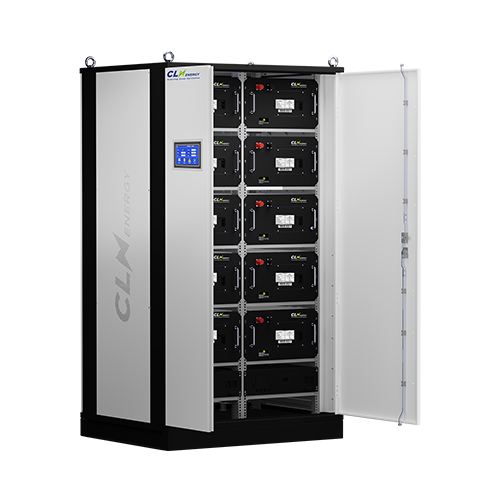
CLN Energy’s Rack Mounted High Voltage Energy Storage System is engineered for high-performance, scalable, and reliable energy storage in commercial and industrial environments. Available in IP20 and IP55 protection ratings, it supports both indoor and semi-outdoor installations with ease. This vertically compact, rack-mounted solution offers large-capacity storage, robust backup during power outages, and seamless integration into energy management systems. Equipped with an advanced BMS featuring automatic protection, cell balancing, and master-slave functionality, it ensures operational safety and system longevity.

Modular and Scalable

Advanced BMS

Long Lifespan

Customizable

Thermal Management

Wide Scalability

Reliable Warranty

Non-toxic and cobalt-free LFP
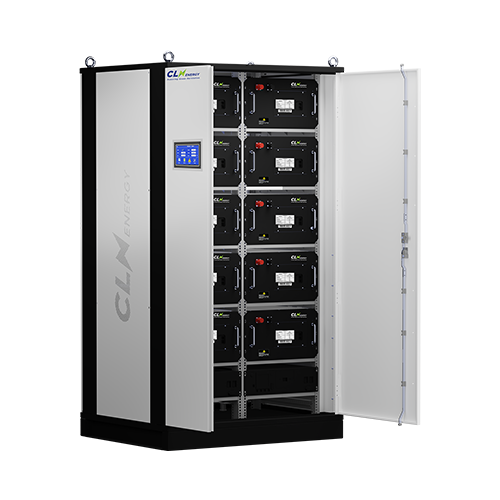
CLN Energy’s Rack Mounted High Voltage Energy Storage System is engineered for high-performance, scalable, and reliable energy storage in commercial and industrial environments. Available in IP20 and IP55 protection ratings, it supports both indoor and semi-outdoor installations with ease. This vertically compact, rack-mounted solution offers large-capacity storage, robust backup during power outages, and seamless integration into energy management systems. Equipped with an advanced BMS featuring automatic protection, cell balancing, and master-slave functionality, it ensures operational safety and system longevity.

Modular and Scalable

Advanced BMS

Long Lifespan

Customizable

Thermal Management

Wide Scalability

Reliable Warranty

Non-toxic and cobalt-free LFP
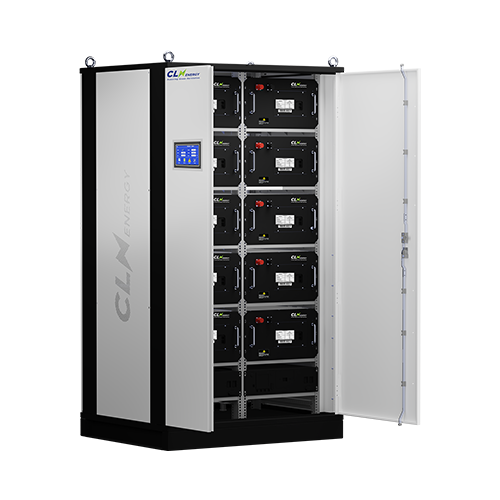
CLN Energy’s Rack Mounted High Voltage Energy Storage System is engineered for high-performance, scalable, and reliable energy storage in commercial and industrial environments. Available in IP20 and IP55 protection ratings, it supports both indoor and semi-outdoor installations with ease. This vertically compact, rack-mounted solution offers large-capacity storage, robust backup during power outages, and seamless integration into energy management systems. Equipped with an advanced BMS featuring automatic protection, cell balancing, and master-slave functionality, it ensures operational safety and system longevity.

Modular and Scalable

Advanced BMS

Long Lifespan

Customizable

Thermal Management

Wide Scalability

Reliable Warranty

Non-toxic and cobalt-free LFP
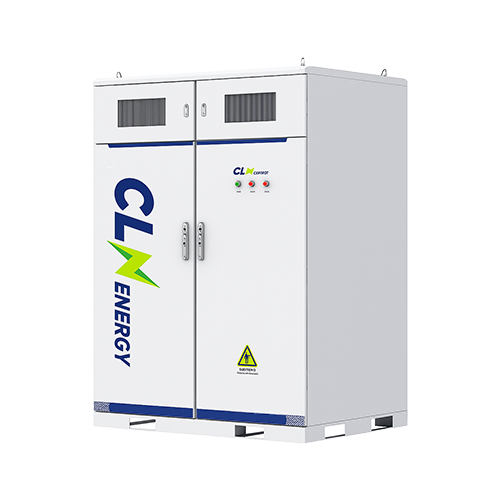
CLN Energy’s All-in-One Air-Cooled Energy Storage Cabinet integrates advanced energy storage and power management into a single, compact solution. It houses a long-life lithium battery, bidirectional-balancing BMS, high-performance PCS, intelligent power distribution, active safety features, and a built-in HVAC system—all designed for optimal performance and thermal stability. With AC-side parallel connectivity, the system allows for flexible capacity expansion and fast deployment of ESS power stations. Engineered for safety, stability, and long-term reliability, it’s ideal for commercial and industrial energy storage applications.

Flexible expansion

Multiple Protection Systems

AC and DC integrated

Fingertip monitoring cloud maintenance
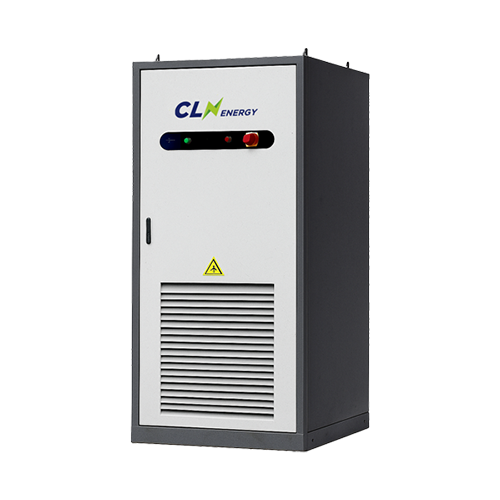
CLN Energy’s All-in-One Liquid-Cooled Energy Storage Cabinet is designed for high-efficiency thermal management and long-lasting performance. Featuring an advanced cabinet-level liquid cooling system and precision temperature balancing, it maintains a cell temperature variance of less than 3°C—ensuring uniform heat distribution and extended battery life. Its modular architecture supports flexible parallel configurations while delivering higher energy density. This improves cost-efficiency, enhances operational safety, and simplifies deployment for commercial and industrial-scale ESS installations.

Flexible expansion

Multiple Protection Systems

AC and DC integrated

Fingertip monitoring cloud maintenance
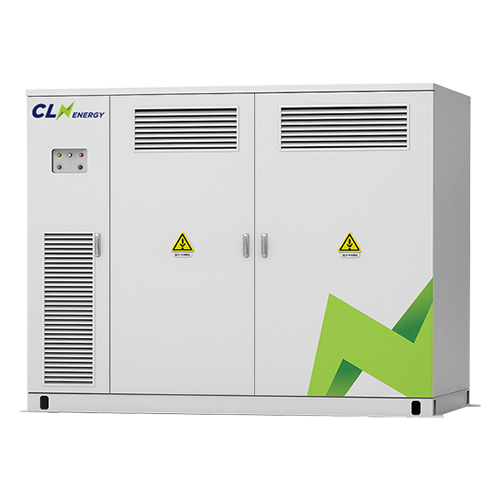
CLN Energy’s All-in-One Liquid-Cooled Energy Storage Cabinet is designed for high-efficiency thermal management and long-lasting performance. Featuring an advanced cabinet-level liquid cooling system and precision temperature balancing, it maintains a cell temperature variance of less than 3°C—ensuring uniform heat distribution and extended battery life. Its modular architecture supports flexible parallel configurations while delivering higher energy density. This improves cost-efficiency, enhances operational safety, and simplifies deployment for commercial and industrial-scale ESS installations.

Flexible expansion

Multiple Protection Systems

AC and DC integrated

Fingertip monitoring cloud maintenance
A commercial and industrial battery energy storage system stores cheap power and gives it back when power is expensive or absent. For an Indian factory, hospital, data centre or commercial building that usually means three jobs at once: carrying the site through an outage without the site noticing, shaving the peak that sets the demand charge on the bill, and cutting the hours a diesel generator runs.
The range on this page spans three formats, all lithium iron phosphate, all built at the company's own plant in Noida:
Sizing starts from the load, not from the catalogue. Two numbers decide almost everything: the kilowatts the site draws at its worst, which sets the inverter, and the kilowatt hours it needs to ride through, which sets the battery. A site replacing generator run-hours is sized differently from one shaving a demand peak for twenty minutes a day, and the same kilowatt hours can cost very different amounts depending on voltage class, enclosure, fire protection and how much electrical work the site already has.
Our engineering team works this out from a load profile. How to size battery storage for a commercial building sets out the arithmetic if you would rather work it through yourself first.
We do not publish a price list, because every system here is engineered to its site. We do publish approximate ranges to budget against, deliberately wide and clearly marked as indicative rather than quoted: what a BESS costs in India gives the per-kWh bands by system scale, and the payback period for commercial BESS shows where the money comes back from. For a site currently running diesel, replacing a diesel generator is usually the clearest arithmetic on the page.
If you would rather put your own numbers in, the energy storage ROI calculator takes your tariff and load and returns the payback for your case.
Industrial and institutional deployments you can look at rather than take on trust: a 225 kWh / 120 kW hybrid system for Greaves that repeats from site to site without being redesigned, solar-integrated industrial backup for an SME at Faridabad, and 180 kWh behind the 100 kW UPS at RailTel's Pondicherry command control centre, changed over inside a two-hour window without the centre coming off supply.
The wider engineering case for storage at this scale — chemistry, safety testing, grid codes and what a specification should state — is on our battery energy storage system guide.
A storage proposal is built from the site rather than from a catalogue, so the first conversation is short and specific. Three answers are enough to start:
With those three, the team can size the system, name the models that fit and put a figure against it. Send the details and the energy storage team will come back with a configuration.
Energy storage has its own website at storage.clnenergy.in, because a storage decision needs more than a product list: sizing against a load profile, cost per kWh, payback, subsidy rules and what the distribution company will ask for. It is the same company, the same plant in Noida and the same service team.
Worth reading before a commercial project: what a BESS costs in India, the payback period on a commercial system, and replacing a diesel generator with storage. The savings calculator gives a first figure in a few minutes, and the current all-in-one range is the All-in-One Pro Series for 30 kW to 250 kW and the All-in-One Prime Series below that.
A 225 kWh and 120 kW installation of this kind runs as a hybrid battery generator for a commercial and industrial manufacturer, repeated across their sites as one configuration.
These products are part of our energy storage range. On our dedicated energy storage website, storage.clnenergy.in, we set out what a system costs per kWh and how long it takes to pay for itself.
Also in this application, on our energy storage website:
C&I BESS is a scalable energy storage system designed for commercial buildings, factories, and industrial setups. It helps reduce energy costs, ensures power backup, and supports solar integration.
It helps manage peak demand charges through peak shaving and optimizes usage during off-peak tariffs using time-of-use (ToU) strategies.
Yes, our system is fully compatible with existing solar inverters, gensets, and other hybrid setups.
From 30 kW to multiple MW, customizable based on your load profile and energy goals.
Yes, real-time monitoring and control are available via web and mobile platforms.

 Become a
Partner
Become a
Partner