CLN Energy manufactures 48V lithium iron phosphate (LiFePO4) battery packs for telecom towers, mobile towers and base stations in India, in 50Ah and 100Ah 19-inch 3U rack modules. 22,864 units are in service across BSNL's network. Packs are built at our own plant in Noida and carry a 60-month warranty.
By CLN Energy Limited BSE SME listed, scrip 544347 Lithium battery manufacturer, Noida Reviewed
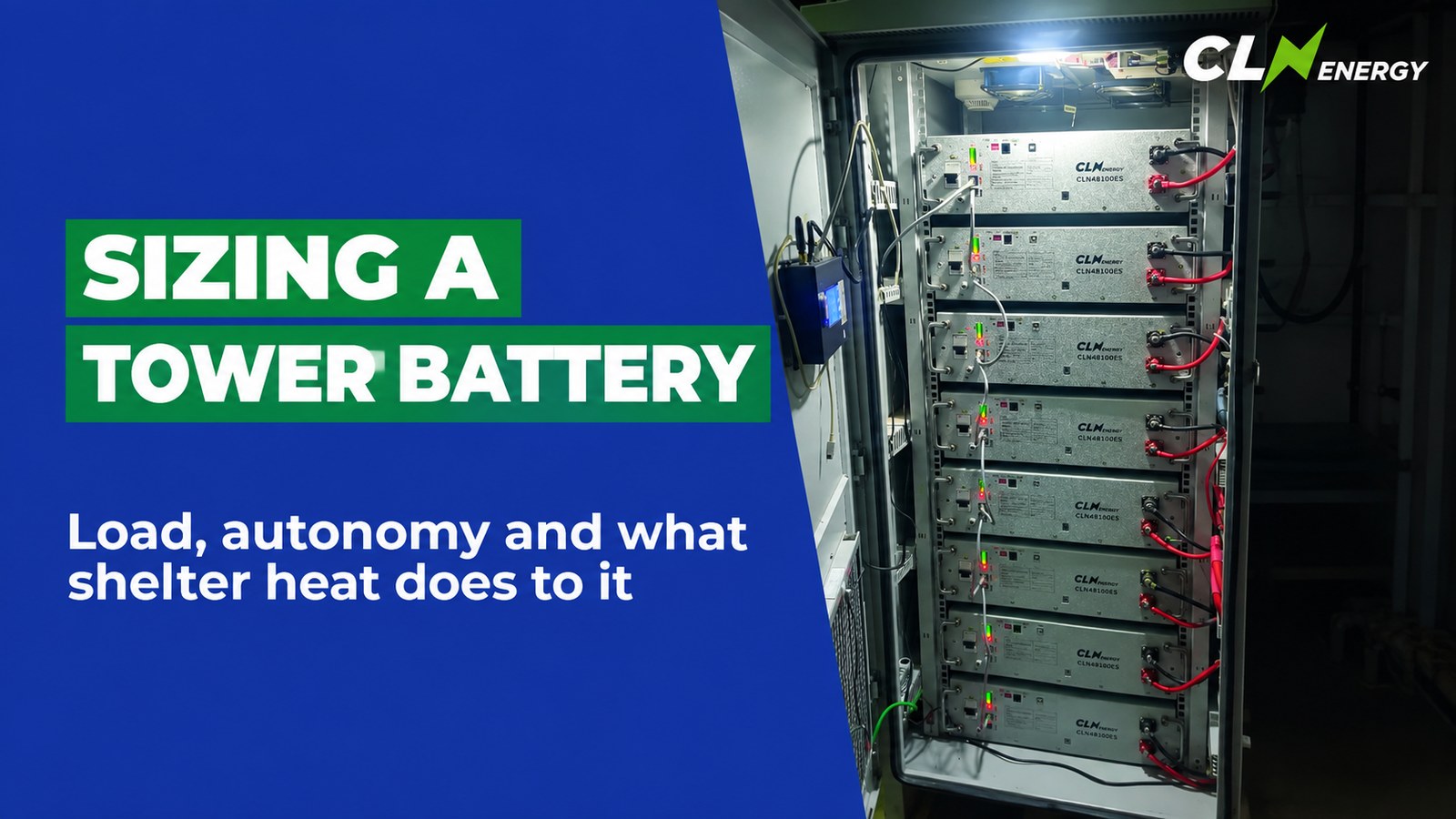
Two rack modules cover most tower and base-station loads. Both are the same 19-inch 3U format, so they fit the cabinet a site already has, and both are paralleled to reach a larger bank — the BSNL deployment uses the same modules built up to 400Ah and 800Ah capacities.
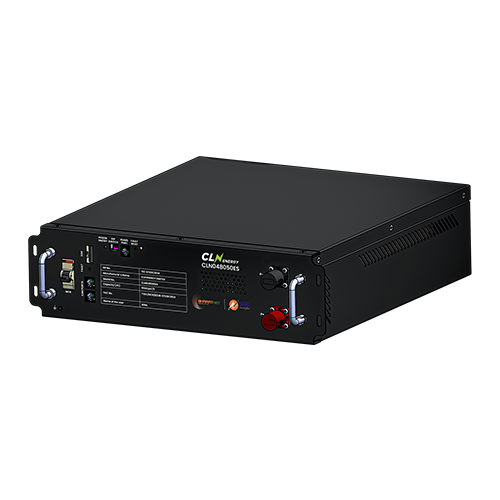
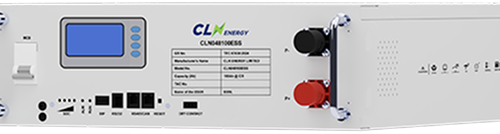
| Specification | 48V50Ah | 48V100Ah |
|---|---|---|
| Nominal voltage | 48 V | 48 V |
| Capacity | 50 Ah | 100 Ah |
| Nominal energy | 2.4 kWh | 4.8 kWh |
| Cell chemistry | Lithium iron phosphate (LiFePO4) | |
| Form factor | 19-inch rack mounted, 3U | |
| Communication | RS485 | |
| Battery management | Built-in BMS — automatic protection, cell balancing, master–slave operation | |
| Application | Telecom equipment power backup on 48 V DC | |
| Warranty | 60 months | |
Under normal conditions the grid AC supply feeds a rectifier module, which powers the telecom load and charges the battery. When the AC supply fails, the rectifier stops and the battery carries the equipment on its own. When AC returns, the rectifier resumes the load and recharges the pack back to backup status. Nothing about that sequence changes when lithium replaces the incumbent chemistry, which is why the modules are built to the same 19-inch rack format rather than a proprietary one.
Named customers, not anonymous case studies. Each of these has its own page with the full configuration.
LiFePO4 is the chemistry used across all of these deployments, and the reason is thermal behaviour rather than energy density. An iron-phosphate cell has a higher thermal runaway threshold than the nickel-based lithium chemistries, which matters at an unstaffed site with no one present to notice a fault. The trade is physical size: an LFP pack is larger for the same energy, which is a fair exchange in a 19-inch cabinet and a poor one in a phone.
The second difference is what maintenance becomes. Every pack reports its own state of charge, temperature and health over RS485. Across the BSNL network that turned site visits from scheduled into triggered — a site is attended because its data says it needs attention, rather than because a calendar says so. On a network of tens of thousands of sites, that is the change that pays for itself.
Two numbers decide the bank: the DC load the site draws, in kilowatts, and how many hours it has to hold. Multiply them and you have the energy the bank must deliver. A 48V 100Ah module holds 4.8 kWh nominal and a 50Ah module 2.4 kWh, so the module count is that energy divided by the per-module figure, rounded up.
Two cautions on that arithmetic, both of which change the answer. Nominal energy is not usable energy — how much of it you may actually take out depends on the depth of discharge the pack is configured for and the low-voltage cutoff of the rectifier it is working with. And a site is sized for its worst outage, not its average one. We would rather do this calculation with your figures than have you work from a rule of thumb, because the cost of getting it wrong is a site that goes dark in the one outage that mattered.
The configurations below are the real ones, taken from the deployments named above rather than from a datasheet.
| Site | Power system | Battery | Result |
|---|---|---|---|
| Southern Railway signalling, Chennai | 10 kW SMPS | 14.4 kWh | 7 hours at a 2 kW draw |
| RailTel command control centre, Pondicherry | 100 kW UPS | 180 kWh | Changeover inside a 2-hour window, never off supply |
| BSNL network, pan-India | 48V DC plant | 400Ah and 800Ah modules | 22,864 packs in service |
The DC load in kW or the equipment list; the backup hours required; the rectifier or SMPS make and rating; the rack space available in U; the number of sites; and whether the existing bank is being replaced or a new site is being built. With those six things a configuration and a price come back quickly. Without them any number is a guess, and a guess on a battery bank is how a site ends up under-sized.
Most enquiries here are replacements rather than new builds, and the concern is always the same: the site cannot go down while it happens. The BSNL programme is 22,864 of these swaps, and the RailTel command control centre — a site where an interruption is not an option — was changed over inside a two-hour window without ever coming off supply.
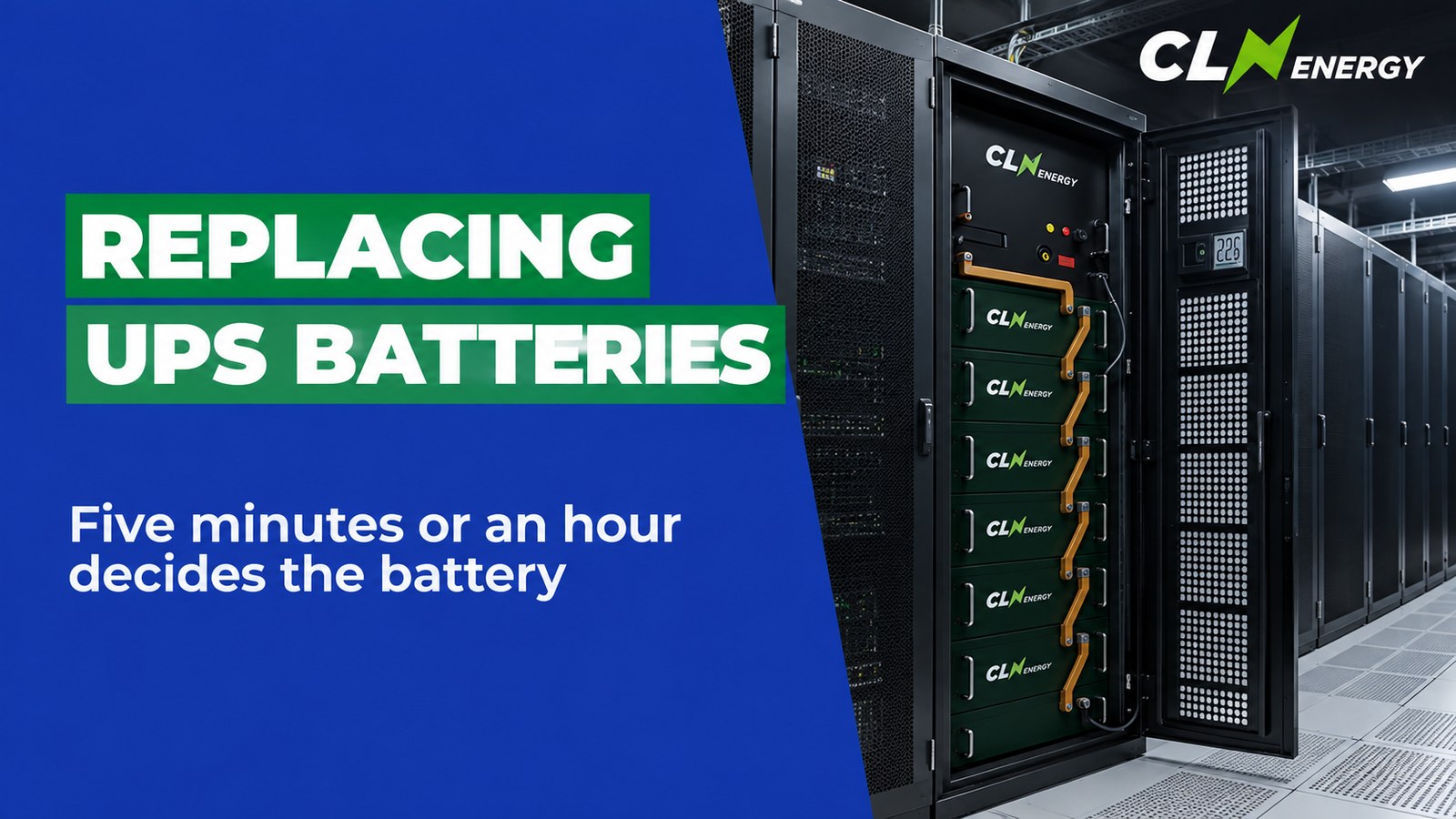
What makes that possible is that nothing around the battery has to change. The modules are the same 19-inch rack format the cabinet already holds, they work with the rectifier already installed, and they present on 48V DC exactly as the outgoing bank did. The cabinet, the rectifier and the load stay as they are; the chemistry inside the rack changes. Where a larger bank is wanted, modules are paralleled to 400Ah or 800Ah rather than the site being rebuilt around a bigger enclosure.
The part that does change is what happens afterwards. Every pack reports its state of charge, temperature and health over RS485, so a bank's condition is known rather than assumed. Cycle life is specified per model and we will give you the figure for the exact pack rather than a range. Packs carry a 60-month warranty; on the BSNL contract that is followed by a five-year AMC covering the battery sets after the warranty period.
The search results for telecom tower batteries are dominated by overseas exporters and marketplace listings. For an Indian operator that matters at the point where something needs attention rather than at the point of purchase.
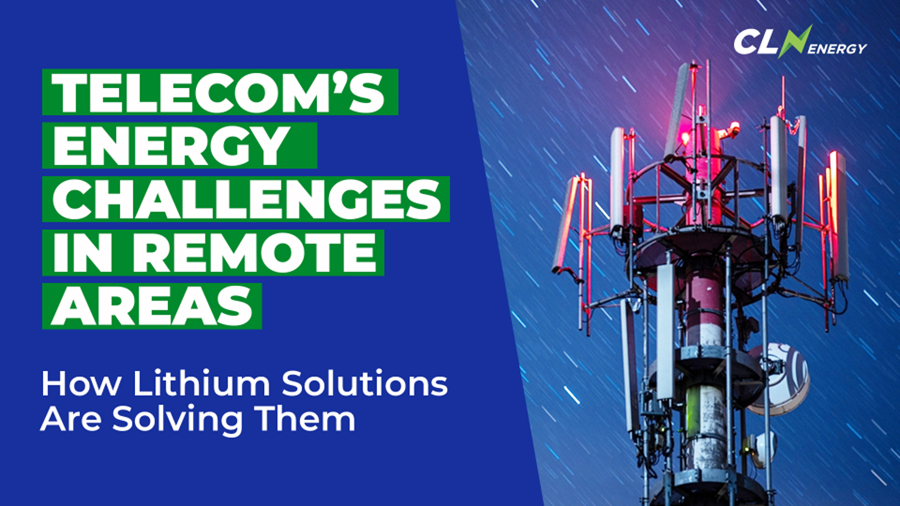
Telecom towers and base stations in India run on 48V lithium iron phosphate (LiFePO4) battery packs, supplied as 19-inch rack modules that sit alongside the rectifier in the existing cabinet. CLN Energy builds this format in 50Ah and 100Ah, each a 3U module with RS485 communication and a built-in battery management system. The rack format is the practical point. A tower site already has a 19-inch cabinet and a 48V DC plant, so a module that fits it is a swap rather than a rebuild, and modules are paralleled to reach a larger bank instead of the site being rebuilt around a bigger enclosure - the BSNL deployment uses these modules built up to 400Ah and 800Ah. LiFePO4 rather than a nickel-based chemistry because the thermal runaway threshold is higher, which is what matters at a site nobody is standing in.
A 48V 100Ah module stores roughly 4.8 kWh of nominal energy, and a 50Ah module roughly 2.4 kWh. Actual runtime depends entirely on the site load, so the honest answer is a worked example: at Southern Railway we sized 14.4 kWh against a 2 kW signalling draw and it holds for seven hours. Two cautions on doing that arithmetic yourself. Nominal energy is not usable energy - how much you may actually draw depends on the configured depth of discharge and the low-voltage cutoff of the rectifier the pack works with. And a site is sized for its worst outage, not its average one. Give us the DC load in kW and the hours you need and we will return the module count, because the cost of getting this wrong is a site that goes dark in the one outage that mattered.
Yes, and it is the most common reason operators call us. The BSNL programme is exactly this: 22,864 lithium packs replacing the incumbent chemistry across the network, in 400Ah and 800Ah module capacities. What makes it straightforward is that nothing around the battery changes. The modules are the same 19-inch rack format the cabinet already holds, they work with the rectifier already installed, and they present on 48V DC exactly as the outgoing bank did. Where an interruption is not an option it is still doable: the RailTel command control centre was changed over inside a two-hour window without ever coming off supply. What does change is afterwards - every pack reports state of charge, temperature and health over RS485, so a bank condition is known rather than assumed.
Yes. BSNL has 22,864 CLN packs in service across its network. RailTel runs 180 kWh of CLN backup behind the 100 kW UPS at its Pondicherry command control centre, and Southern Railway uses CLN batteries for automatic block signalling backup at Chennai. All three are named, checkable deployments rather than anonymous case studies. Scale is the part that is hard to replicate. A pilot of a few dozen packs proves the product; 22,864 in service proves the supply chain, the commissioning process and the support model behind it, which is what a procurement officer is actually buying on a network rollout. The BSNL contract also carries a five-year AMC on the battery sets after the warranty period, so those packs are supported for ten years from commissioning.
Cells and packs are built and tested to UN 38.3 for transport, IEC 62619 for industrial cell and battery safety, IEC 61000 for electromagnetic compatibility, and UL 1973 and UL 9540A for stationary battery safety and thermal runaway. The plant is certified to ISO 9001:2015, ISO 14001:2015 and ISO 45001:2018. It is worth knowing what each covers, because they are not interchangeable. UN 38.3 is about getting the pack to site safely. IEC 62619 is the industrial cell and battery safety standard and the one most relevant to a tower installation. IEC 61000 matters specifically at a telecom site, where the pack sits beside sensitive radio equipment. UL 9540A is the thermal runaway fire test. Most competitor pages cite one certification or none - ask any supplier for the test reports.
Sixty months. On the BSNL contract that is followed by a five-year annual maintenance contract covering the lithium battery sets after the warranty period, so those packs are supported for ten years from commissioning. Note the telecom figure is not the figure for every CLN product - e-mobility packs carry 36 months and the 1 MWh BESS carries 120, because the duty cycles are not comparable, and any supplier quoting one warranty across an entire catalogue is rounding something. Cycle life is specified per model and we will give you the rating for the exact pack rather than a range. CLN Energy is BSE SME listed under scrip 544347, which is a practical point rather than a boast when a warranty has to outlive the procurement cycle: the accounts behind it are published.
A mobile tower runs on a 48V DC battery bank that carries the radio equipment when grid power fails. Older sites use lead-acid strings; newer and replacement installations increasingly use lithium iron phosphate, which tolerates shelter heat and daily cycling far better. CLN supplies 48V LiFePO4 modules in 50Ah and 100Ah, in 19-inch 3U racks, and has replaced 22,864 packs across BSNL network sites.
It depends on the capacity and chemistry. A CLN 48V 50Ah telecom module weighs about 32 kg and a 48V 100Ah module about 52 kg, so a 200Ah bank of two 100Ah modules is roughly 104 kg in the rack. A lead-acid bank giving the same usable backup is heavier, because lead-acid is conventionally used to only about half its capacity.
Answers to the questions buyers ask before choosing a battery, written from our own specification tables and deployments.
Tell us the DC load and the backup hours you need and we will come back with the module count and configuration. For a rollout, we have done 22,864 of them. CLN Energy is a lithium battery manufacturing company and the modules are built at its Noida plant.
Request a quote Ask on WhatsApp See the telecom range
 Become a
Partner
Become a
Partner