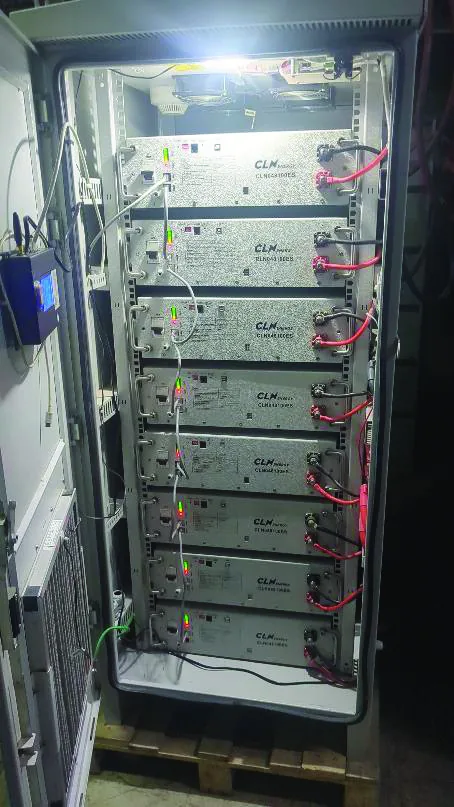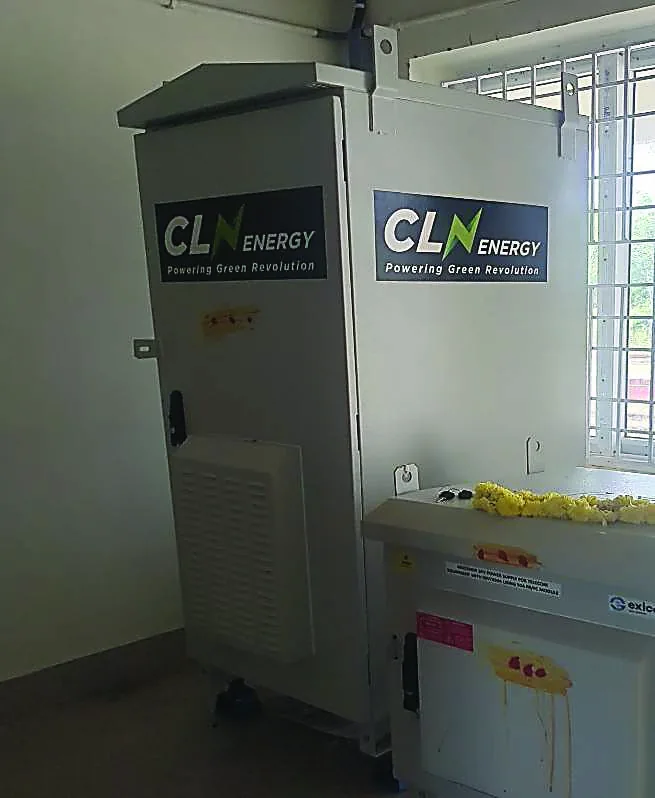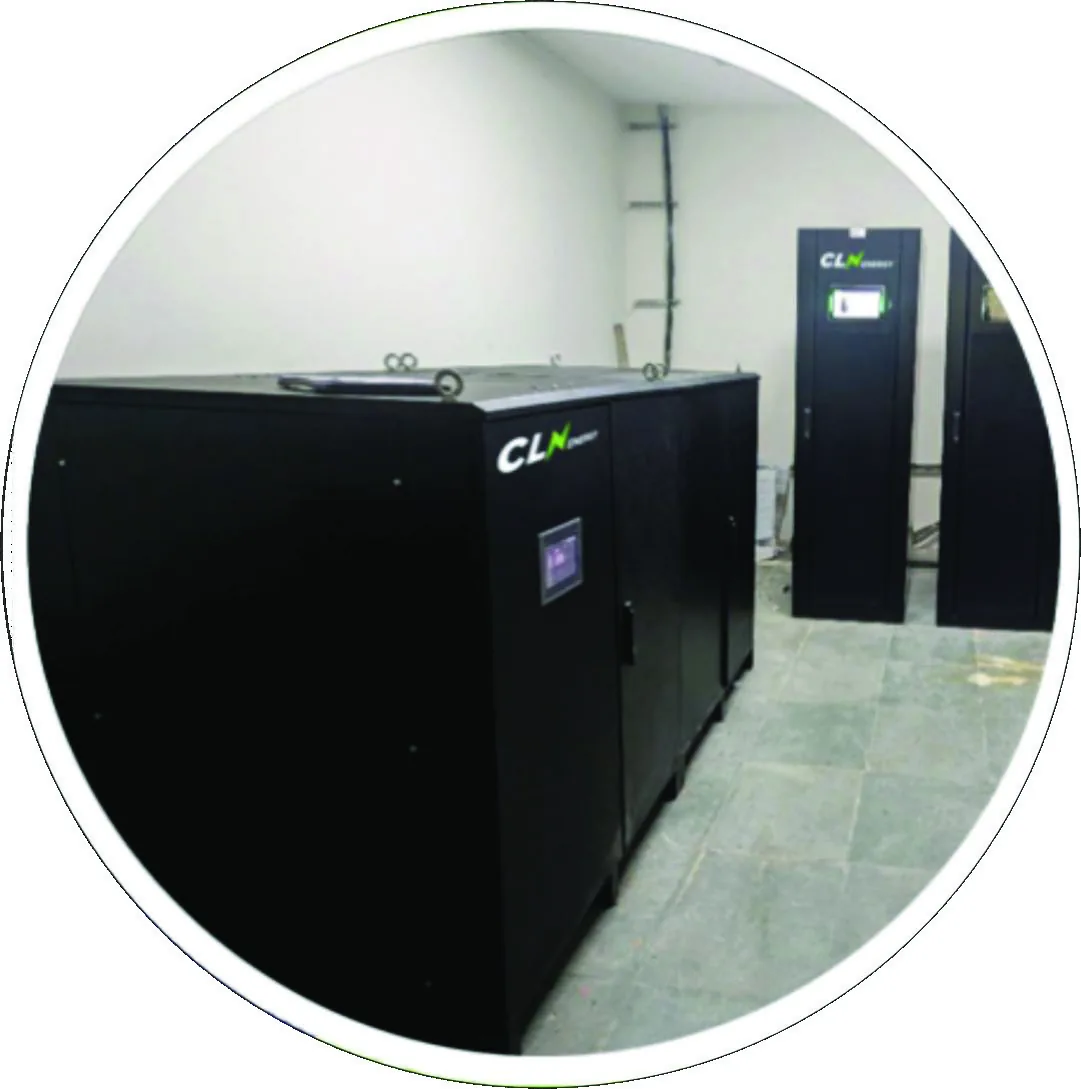
Household backup has to be quiet, take no floor space anyone minds losing, and need nothing from the owner between grid failures.
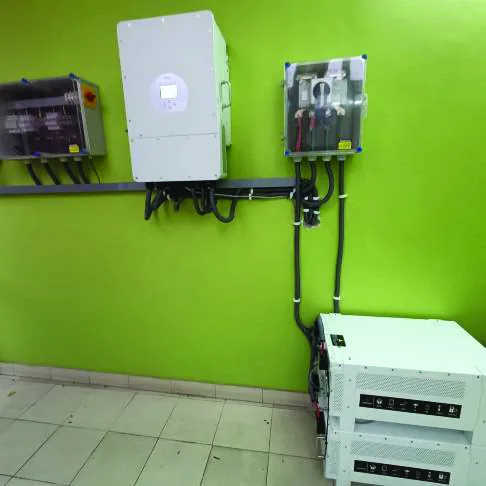
A comprehensive backup solution for household loads.
Critical household load — backup during grid failures
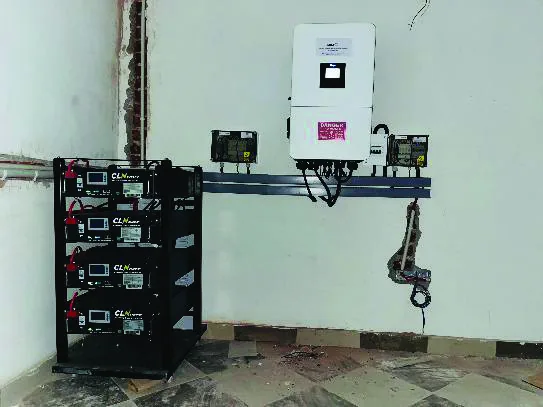
Households run their essential loads for a little over two hours on 9.6 kWh, with nothing asked of the owner between power cuts.
That last part is the result that matters at home. There is no water to top up, no vented cell in a room somebody had to give up, and no replacement cycle arriving every few years for an owner who was never told to expect one. The daily shallow cycling that wears out a tubular battery is simply the duty an LFP pack was designed for.
A home system is sized around what the family will not do without: the fans, the lights, the pump and the refrigerator, rather than every socket in the house. Sized that way, a small bank covers the outages that actually happen, and the inverter changes over quickly enough that nobody notices.
The products used here
If you are planning something similar
Enough for the load you want to keep running and the hours you want it for. For most homes that list is the fans, the lights, the pump and the refrigerator, not every socket in the house, and sizing to that list is what keeps the cost sensible.
A lithium battery takes less space, needs no water topping up, charges faster and handles being partly discharged better. It costs more at purchase, so the honest comparison is the cost over the years you will own it rather than the price on the day.
Yes. A hybrid inverter charges the battery from solar during the day and from the grid when solar is short, and supplies the house from the battery when the grid fails.
Tell us your load and the backup you need, and our team will size it.
Talk to our team
 Become a
Partner
Become a
Partner