Villages beyond a reliable grid connection get power in windows, which is enough for lighting and not enough for an enterprise or a clinic to depend on.
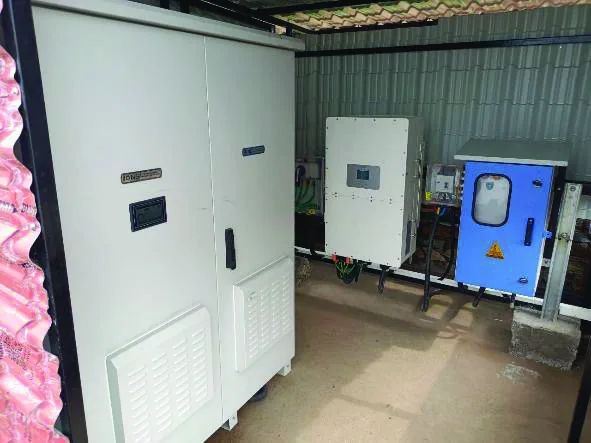
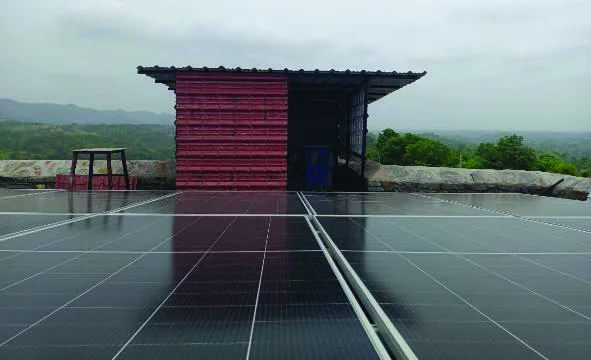
A microgrid solution providing 24x7 power to six villages, enterprises and essential services (Phase 1).
Solar Farm, Microgrid, Telecom Tower
Six villages have round-the-clock power in Phase 1, along with the enterprises and essential services in them.
The distinction is the whole point. These settlements had electricity in windows before, which runs a household but will not support anything that has to be depended on — a clinic's refrigeration, a workshop taking an order, a telecom tower. Storage is what converts solar generation into a supply, and the EMS is what lets one system serve loads that different without any of them destabilising the others.
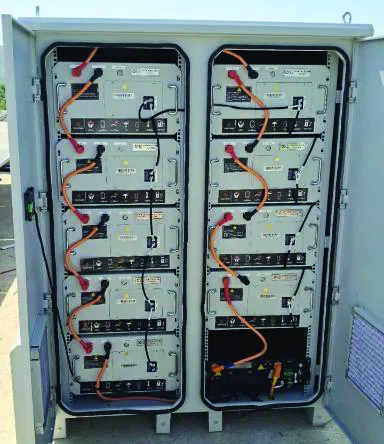
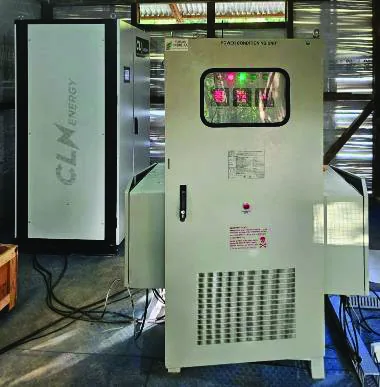
A microgrid is judged by what happens after dark and after a week of cloud. The solar array sets how much energy arrives, the battery sets how much of it is available when people need it, and the power conversion and management systems decide whether the supply holds steady when the load changes suddenly.
The products used here
If you are planning something similar
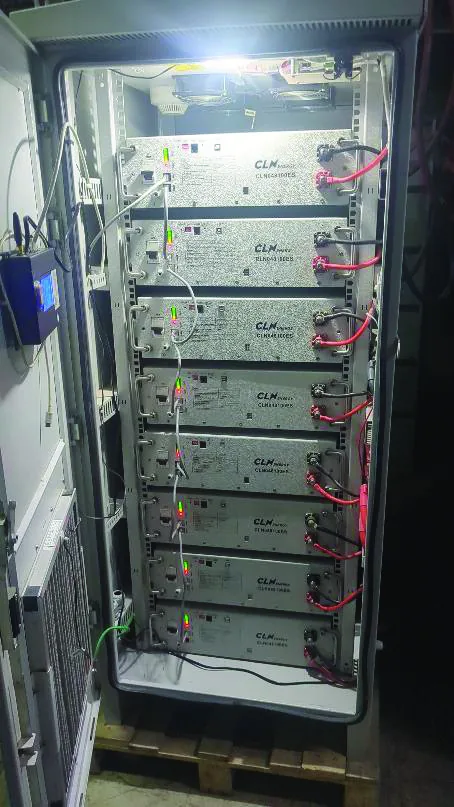
A solar array, a lithium battery bank with its management system, power conversion equipment and an energy management system that decides when to charge and when to supply. It also needs the ground work, the installation and the commissioning, which on a remote site is most of the effort.
Yes, where the battery is sized for the night and for consecutive days of poor generation. This installation supplies six villages, their enterprises and their essential services in its first phase.
A rooftop system supports one building and usually leans on the grid. A microgrid supplies a group of users and has to hold its own voltage and frequency, which is why it needs storage and an energy management system rather than an inverter alone.
Tell us your load and the backup you need, and our team will size it.
Talk to our team
 Become a
Partner
Become a
Partner